
How a Power Purchase Agreement (PPA) Lowers the Real Cost of Solar Panel Installation
Key Highlights
- PPAs eliminate the need for significant upfront capital expenditure.
- Businesses benefit from predictable electricity rates over long contract terms.
- Responsibility for system maintenance and performance rests with the provider.
- The model allows for immediate access to renewable energy without operational risk.
Introduction
The transition towards sustainable business operations in Singapore is accelerating as organisations seek to reduce their carbon footprints and hedge against volatile energy prices. While the desire to adopt green energy is widespread, the primary barrier for many commercial property owners remains the substantial initial capital investment required. This is where a Power Purchase Agreement offers a transformative solution. By shifting the financial model from asset ownership to utility consumption, businesses can access renewable power while maintaining fiscal liquidity. Understanding how this agreement works is essential for any company looking to modernise its power supply in Singapore and achieve long-term efficiency.
The Financial Logic of Power Purchase Agreements
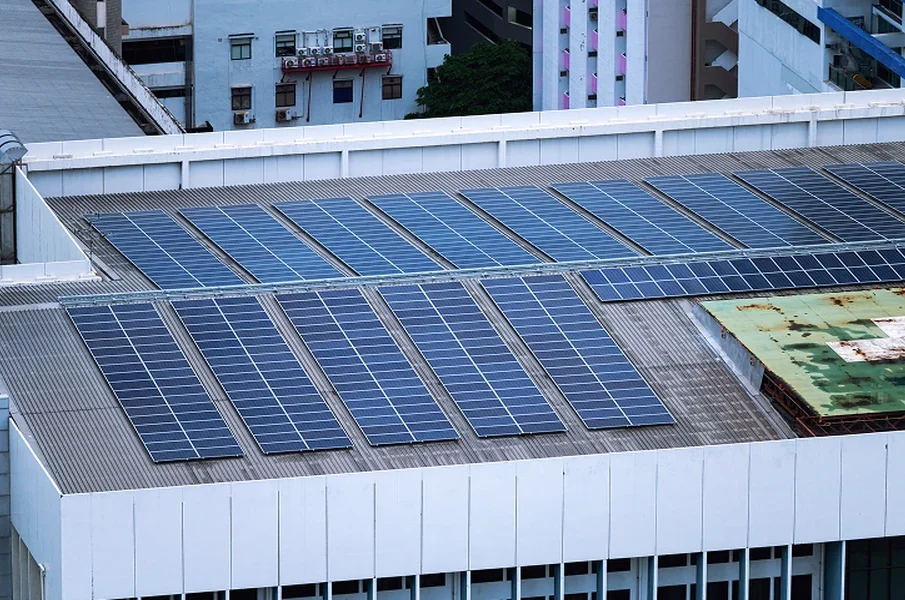
A Power Purchase Agreement is essentially a contractual arrangement between a solar developer and a business. Instead of the business paying for a solar panel installation directly, the developer installs, owns, and maintains the solar energy system on the property owner’s roof. The business then agrees to purchase the electricity generated by the system at a pre-agreed rate. This rate is typically lower than the prevailing market price for electricity from the grid.
By choosing this route, a company removes the need for a large upfront payment. Traditional procurement often requires a significant allocation of capital expenditure, which can delay or even derail green energy initiatives when competing with other business priorities. Through a Power Purchase Agreement, the costs associated with solar implementation become an operating expense. This aligns with standard monthly utility outgoings, making the integration of solar power a streamlined and predictable financial decision.
Operational Risk Management
One of the overlooked advantages of this arrangement is the transfer of operational responsibility. When a business undertakes a direct solar panel installation, it also accepts the risks associated with the equipment. This includes the potential for technical failure, the need for ongoing maintenance, and the complexities of ensuring the system operates at peak efficiency over its lifespan.
Under a Power Purchase Agreement, the developer retains ownership of the equipment. This means they are inherently motivated to ensure the system performs optimally, as their revenue is directly tied to the generation of energy. Maintenance, repairs, and monitoring are generally handled by the provider as part of the agreement. For the business, this provides a hands-off approach to energy management, allowing leadership teams to focus on their core business activities rather than managing solar infrastructure.
Stability in a Volatile Energy Market
Businesses operating in Singapore are familiar with the fluctuations of the energy market. Global energy prices can shift rapidly, creating uncertainty in budget forecasting. A Power Purchase Agreement acts as a hedge against this volatility. By fixing the price of the energy generated by the solar panels for the duration of the contract, a business gains long-term cost visibility. This predictability is invaluable for budgeting and helps protect profit margins against sudden spikes in grid electricity costs.
Furthermore, as the energy landscape evolves, securing a reliable and lower-cost power supply in Singapore becomes a competitive advantage. Companies that adopt these solutions position themselves as forward-thinking leaders in sustainability, which often resonates positively with clients, investors, and stakeholders who increasingly prioritise environmental, social and governance criteria.
Conclusion
The transition to renewable energy no longer requires a compromise between financial health and environmental stewardship. By leveraging a Power Purchase Agreement, businesses can bypass the high costs of a direct solar panel installation and enjoy the benefits of clean energy immediately. This model effectively democratises access to high-quality power solutions, ensuring that sustainability is an achievable goal rather than a capital-intensive burden. As Singapore continues its journey towards a greener future, the adoption of such smart energy structures will undoubtedly become the standard for resilient and efficient businesses.
Contact us today at Flo Energy Singapore to learn how we can help your organisation transition to solar energy with our flexible solutions.