

6 Tips For Maintaining Dental Implants And Healthy Gums
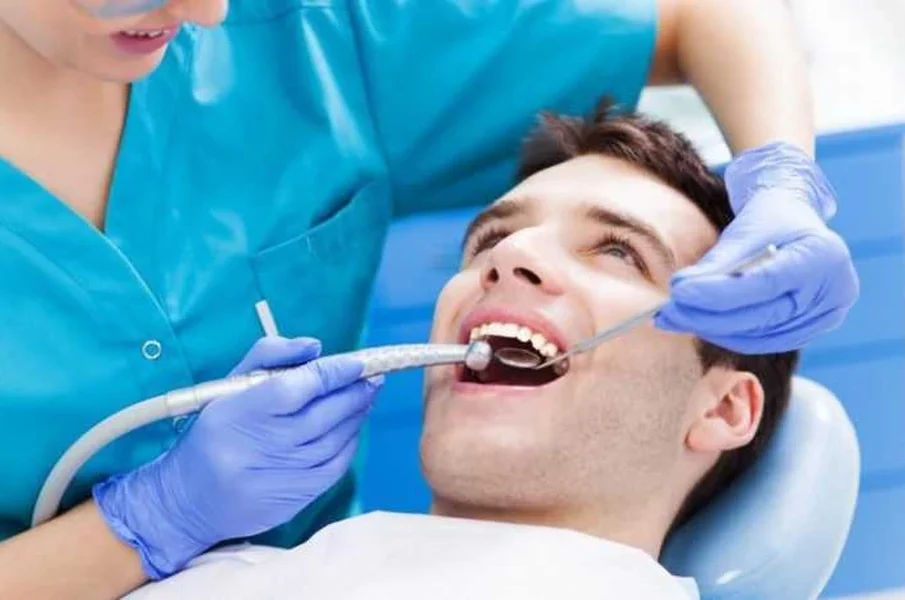
You got dental implants to eat, speak, and smile without thinking about every little movement in your mouth. Then the worry creeps in. A little bleeding when you brush. Tender gums near the implant. Food getting trapped where it did not before. It is easy to wonder if something is going wrong, especially after the time and money you put into treatment. A Westchester periodontist can help evaluate those changes and protect your investment.
The good news is that most implant problems do not start out as sudden failures. They usually build slowly through plaque, gum irritation, skipped cleanings, clenching, or habits that seem harmless day to day. Good home care and regular checkups protect both the implant and the bone and gum tissue holding it in place. If you want the short version, keep the area clean, protect your gums, catch inflammation early, and treat your implant like a long term investment.
Healthy gums keep dental implants stable
Dental implants do not get cavities, but the gums and bone around them can still get sick. That is where many people get tripped up. They assume the implant itself is artificial, so it needs less care than a natural tooth. The opposite is often true. Plaque can collect around the implant crown and under the gumline, and if that buildup is not removed, the tissue can become inflamed. That inflammation can turn into peri implant mucositis or peri implantitis, both of which can threaten the implant.
The National Institute of Dental and Craniofacial Research explains gum disease in a way that makes the risk plain. Infection in the gums does not stay neatly on the surface. It can damage the support underneath. With implants, that support is everything.
This is why dental implant care tips always come back to gum health. If your gums bleed often, feel puffy, or look shiny and red, your mouth is telling you something. Waiting it out usually gives plaque more time to harden and bacteria more time to spread.
Daily cleaning habits prevent small implant issues from turning serious
Brushing twice a day sounds basic, but technique matters more than people think. Use a soft bristled toothbrush and angle it gently along the gumline. Spend extra time where the implant crown meets the gum. Electric toothbrushes can help if you tend to rush or miss the back teeth.
Flossing matters too, even if the area feels awkward at first. Implant safe floss, interdental brushes, or a water flosser can clean around the contours that a regular brush misses. If you avoid those spots because they are sensitive, plaque stays there and the soreness often gets worse, not better.
Many patients also do well with an antimicrobial rinse when their periodontist or implant dentist recommends it. That does not replace brushing and flossing, but it can reduce bacteria while irritated tissue calms down. For a broad overview of oral and dental health from NIH, the message stays consistent. Daily care is not cosmetic. It is disease prevention.
Smoking, grinding, and missed visits raise the risk around implants
Some implant problems have little to do with brushing alone. Smoking slows healing and makes gum disease harder to control. Teeth grinding puts extra force on the implant and can irritate the surrounding structures. Skipping maintenance visits gives inflammation time to settle in below the gumline, where you cannot see it.
You might feel fine and still have trouble developing. That is part of what makes implant maintenance frustrating. Pain is not always the first sign. A periodontist and implant dentist looks for changes in pocket depth, tissue tone, bite pressure, and bone levels before those changes become obvious at home.
If your implant was placed along with other oral surgery, aftercare matters there too. The patient guidance from UIC Oral and Maxillofacial Surgery reflects the same pattern seen in implant care. Healing goes better when instructions are followed closely and warning signs are addressed early.
Simple maintenance beats costly implant repairs
People often ask what really makes the biggest difference. It is not one perfect product. It is consistency. Small daily steps cost less and hurt less than treating advanced inflammation later.
| Habit or Choice | What It Does for Implants and Gums | What Can Happen If You Skip It |
|---|---|---|
| Soft brushing twice daily | Removes plaque at the gumline without scraping tissue | Plaque buildup, sore gums, bleeding |
| Floss or interdental cleaning once daily | Cleans tight spaces around implant restorations | Food traps, odor, inflammation under the gums |
| Professional cleanings and implant checks | Finds early tissue and bone changes before they worsen | Delayed treatment, deeper infection, bone loss |
| Night guard if you grind your teeth | Reduces excess force on the implant and surrounding teeth | Loosening sensations, wear, pressure related irritation |
| Stopping smoking | Supports circulation and gum healing | Higher risk of inflammation and implant complications |
This is the heart of maintaining dental implants and healthy gums. The boring habits are the ones that protect your results.
These 6 tips help support long term implant success
Keep the area clean every day with a soft brush and interdental tools that fit your mouth.
Floss or use a water flosser around implants once a day, especially where food tends to catch.
Watch for bleeding, swelling, bad taste, or gum recession around the implant.
See your periodontist and implant dentist on schedule, even when nothing feels wrong.
Wear a night guard if you clench or grind, since pressure can strain the implant over time.
Avoid smoking and keep medical conditions like diabetes well managed, because gum healing depends on more than your toothbrush.
Three steps you can take today to protect your implant
Check the gumline tonight. Look closely around the implant in a mirror after brushing. If you see redness, puffiness, or bleeding, do not brush harder. Clean gently and make a note of what you see for the next few days.
Upgrade one cleaning tool. If regular floss is awkward, switch to an implant friendly interdental brush or water flosser. The best tool is the one you will actually use every day.
Book preventive care before something hurts. A routine visit with a periodontist can catch tissue changes early, adjust your home care, and help you avoid the kind of problem that turns into a bigger repair.
Your implant should not feel like something you have to worry about all the time. With steady home care and the right follow up, you can protect your gums, support the bone around the implant, and lower the chance of setbacks. If you have noticed bleeding, soreness, or changes around an implant, schedule a visit with a periodontist and implant dentist and get ahead of it before it grows.


